Updated
How does car insurance work?
Car insurance provides financial protection if you’re involved in an accident or your vehicle is damaged by another covered event. In exchange for paying a premium, your insurance company agrees to help pay for covered losses, up to your...
Compare real rates, understand your coverage, and make confident decisions.

Written by
Ollie

Reviewed by
Scott Nyerges

Fact check by
Brent Buell
Car insurance provides financial protection if you’re involved in an accident or your vehicle is damaged by another covered event. In exchange for paying a premium, your insurance company agrees to help pay for covered losses, up to your policy’s limits.
Car insurance policies offer different layers of protection. Liability insurance helps cover injuries or property damage you cause to others, while collision and comprehensive coverage can help protect your own vehicle. Your premium is influenced by factors such as your driving history, vehicle, location, coverage limits and deductible.
Understanding the basics of car insurance can help you make informed decisions, choose coverage that fits your needs and better protect yourself, your vehicle and others on the road.
What is car insurance and why is it important?
Car insurance is a contract between you and an insurance company that provides financial protection after a car accident or other covered incident, up to your policy limits.
Depending on your coverage, car insurance can help pay for vehicle damage, medical expenses, injuries you cause to others and damage to someone else’s property. It’s important because it can protect you from major out-of-pocket costs and is legally required in most states.
What are the types of car insurance?
Car insurance policies offer various types of coverage, each serving a different purpose. Here are the main types of car insurance:
| Type of car insurance | What it covers |
|---|---|
| Liability insurance | This helps pay for injuries or property damage you cause to others in an accident. It typically includes two parts: bodily injury liability, which helps cover another person’s medical expenses, and property damage liability, which helps pay for repairs to another person’s vehicle or property. Liability coverage is required in most states. |
| Collision insurance | This helps pay to repair or replace your vehicle if it’s damaged in a collision with another vehicle or object, regardless of who is at fault. This coverage usually has a deductible and pays up to your policy limits or the vehicle’s actual cash value. |
| Comprehensive insurance | This helps cover damage to your vehicle from non-collision events, such as theft, vandalism, fire, severe weather, falling objects or natural disasters. It can help protect you from risks beyond your control. It also usually has a deductible and pays up to your policy limits or actual cash value. |
| Personal injury protection (PIP) insurance | PIP insurance, sometimes known as “no-fault” insurance, is required in some states and optional in others. It covers medical expenses, lost wages, and other related costs for you and your passengers, regardless of who caused the accident. It may or may not have a deductible. |
| Uninsured/underinsured motorist coverage | This protects you if you’re involved in an accident with a driver who has insufficient coverage or doesn’t have insurance. It covers the costs of injuries and damages you sustain in the accident. It may also apply in hit-and-run situations where the at-fault driver cannot be identified. It typically includes medical expenses, lost wages, and damages to your vehicle. |

Ask Ollie
Understand this faster - and find what matters for you
How do I determine coverage limits and deductibles?
When selecting car insurance, you’ll need to choose coverage limits and deductibles that fit your needs. Here’s what to consider:
- Meeting minimum coverage requirements: Each state has minimum liability coverage requirements you must meet. Make sure you understand your state’s rules, but keep in mind that minimum limits may not provide enough protection after a serious accident.
- Evaluating personal needs and risks: Assess your personal needs and the level of risk you’re comfortable with. If you have significant assets to protect, you may want higher coverage limits. Consider your driving habits, the value of your car, and your financial situation.
- Balancing premiums and deductibles: Choosing a higher deductible can help lower your premium. However, you’ll pay more out of pocket if you file a claim. Look for a balance that fits your budget and risk tolerance.
How do I file a claim?
When an accident or incident occurs, it is crucial to understand the claims process to ensure a smooth experience. Here are the general steps involved:
- Document damages and injuries: Take photos of the damage to your vehicle and gather any relevant documents, such as a police report, repair estimate or medical records. This information can help support your claim.
- Notify your insurer: Contact your insurance company as soon as possible. Provide the details of the incident and any documents needed to start the claims process.
- Assess damages and determine liability: An insurance adjuster will review the damage and the circumstances of the accident. Depending on the claim, the insurer may also review policy terms, police reports, witness statements, or information from other parties involved.
- Finalize claims settlement and payment: Once the claim is reviewed, the insurance company may offer a settlement based on your coverage, deductible, and policy limits. If you accept the offer, the insurer will issue payment according to your policy terms.
Where can you buy car insurance from?
You can buy car insurance from various sources, including:
- Insurance companies: You can do this directly, either through their website or app, on the phone, or by visiting a local office. Some insurers require you to work with a local agent, while others will let you purchase coverage online or over the phone.
- Independent insurance agents: Independent agents work with multiple insurance companies and can help you compare policies and find the best coverage for your needs.
- Captive agents: Captive agents represent one insurance company and can assist you in purchasing their policies, but they cannot help you compare rates from multiple carriers.
- Online insurance marketplaces: Comparison websites allow you to obtain quotes and compare policies from multiple insurers in one place, but you may still have to finalize your policy directly with the insurer you choose.
Consider factors like customer service, reputation, coverage options, and competitive pricing when choosing where to buy your car insurance.
Conclusion
By understanding how car insurance works, you can make informed decisions when choosing coverage, ensure compliance with legal requirements, and be prepared in case of an accident or incident. Remember to review your policy regularly and compare quotes from different insurance providers to find the best coverage and rates for your needs.
Car Insurance Cost Calculator
Find out how much you'll pay for auto insurance coverage.

Rate estimates in this calculator are based on CarInsurance.com's analysis of full coverage insurance for a single driver with good credit, homeowner status and a clean driving record, operating a financed Honda Accord LX. Full coverage includes 100/300/100 BI/PD liability limits and $500 comprehensive and collision deductibles.
Still have questions
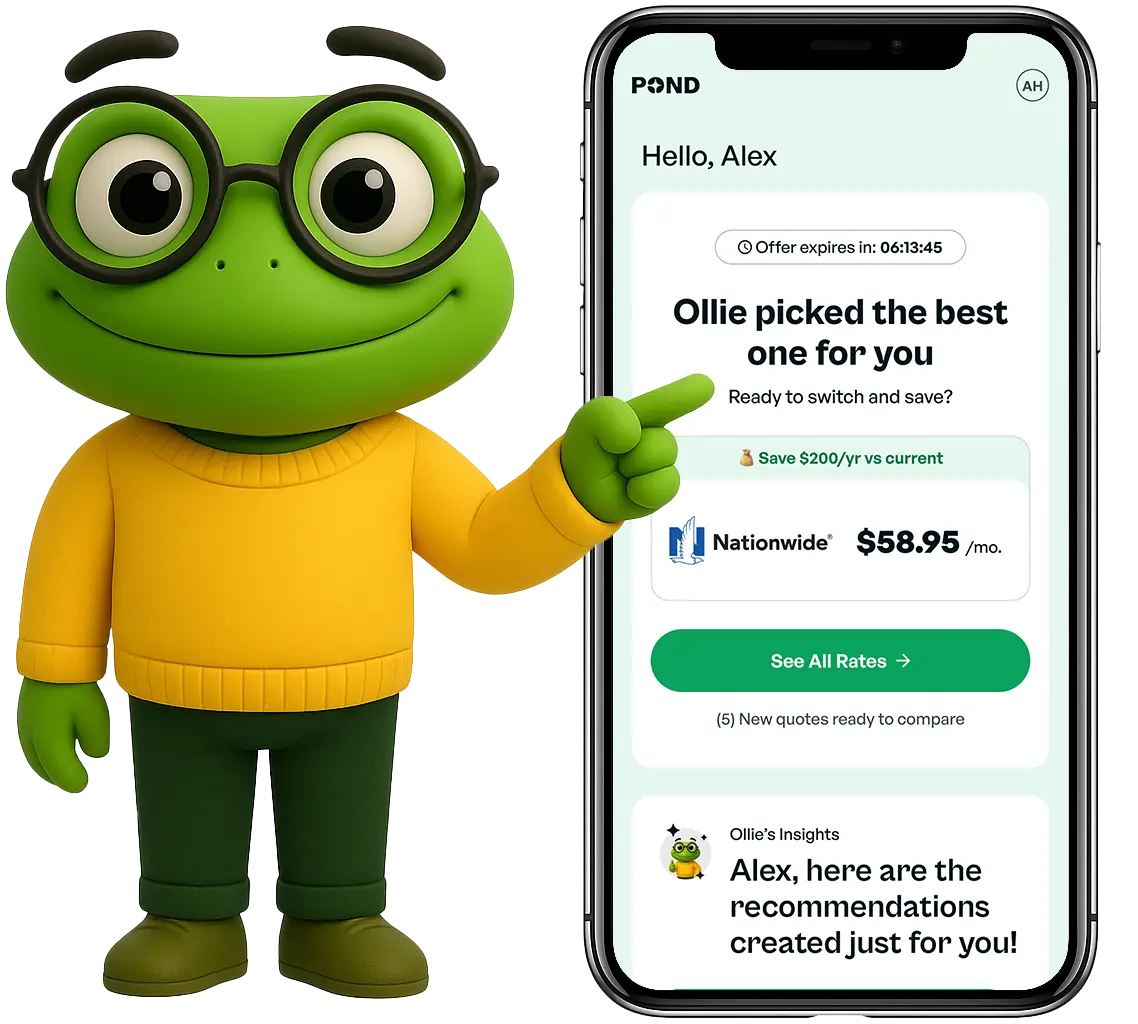
Still have questions? Ollie can explain what this means for your situation - no ZIP, no commitment, just a straight answer.
Related articles

Get Auto Insurance Quotes in Minutes
Enter your ZIP code and answer a few quick questions to compare auto insurance options from providers in your area.