Updated
How to switch car insurance: A comprehensive guide
Switching car insurance can help you save money, improve your coverage, or find an insurer that better serves your needs. But it’s important to compare quotes, review coverage details, and make sure there’s no gap in coverage before you...
Compare real rates, understand your coverage, and make confident decisions.

Written by
Ollie

Reviewed by
Scott Nyerges

Fact check by
Brent Buell
Switching car insurance can help you save money, improve your coverage, or find an insurer that better serves your needs. But it’s important to compare quotes, review coverage details, and make sure there’s no gap in coverage before you switch. This guide will walk you through the process of switching car insurance, from evaluating your current policy to buying a new one and canceling your old coverage.
What are the steps to follow when switching car insurance companies?
Switching car insurance companies can be a daunting task, but it doesn’t have to be with the right preparation. Here’s how to get started:
Assess your current car insurance policy
- Review your coverage limits: Review your current declarations page to see your coverages, limits, deductibles, premium, and policy term. This will help you compare it to potential new policies and identify any gaps in your current coverage.
- Evaluate your premium and payment terms: Consider whether the premium is reasonable and affordable for the coverage provided. Check your payment schedule, renewal date, and whether you would owe any fees or qualify for a refund for unused premium if you switch.
- Identify any shortcomings: Assess your overall satisfaction with your current car insurance. Determine if there are any specific areas where you feel dissatisfied, such as poor customer service, slow claims processing, or limited coverage options. Identifying these issues will help you focus on finding a new policy that addresses your concerns.
- Research new car insurance options: Begin your search for a new car insurance provider by comparing different carriers. Look for insurers known for responsive customer service, reliable claims handling, and financial stability. Read reviews from other customers and check ratings from sources like J.D. Power and AM Best.
- Understand coverage options: Familiarize yourself with the mandatory coverage requirements for your state, such as liability insurance. Additionally, explore optional coverages that might be beneficial, such as collision and comprehensive coverage, personal injury protection (PIP), or gap insurance. Understanding the different coverage options available will help you make an informed decision when comparing policies.
- Obtain quotes from multiple insurers: Collect quotes from at least three different insurance companies to compare their offerings. You can do this by using an online quote-comparison tool, working with an independent agent or broker, or by contacting carriers directly. Use the same coverage limits, deductibles, drivers, vehicles, and address for each quote so you can make a fair comparison.

Ask Ollie
Understand this faster - and find what matters for you
Analyze and compare insurance quotes
- Check coverage limits and deductibles: Ensure that the new policy provides adequate coverage limits and that the deductibles align with your budget and risk tolerance.
- Look for discounts: Take note of any ways to lower your premium, such as discounts for being a safe driver, bundling your home and auto policies, insuring multiple vehicles, or being a good student.
- Evaluate additional coverages and services: These can include roadside assistance, rental car coverage, gap insurance, new car replacement, or accident forgiveness. Evaluate these offerings to determine which insurer best fits your needs.
Contact insurance companies
- Call the insurers you’ve short-listed: Once you’ve narrowed down your options, reach out to your preferred insurance providers to gather more information and answer any questions you may have. You may be able to do this by phone, online, or through a local agent, depending on the insurer.
- Gather additional information: During your conversation, ask about policy details, coverage options, claims procedures, available discounts, and whether the quote could change before the policy is issued.
- Narrow your options: Once you’ve gathered all of the relevant information you need, it’s time to compare premiums, coverage options, carrier details, and decide which insurer is the best fit for your needs.
Initiate the switch to a new car insurance company
- Review the new policy: Before you purchase, make sure you understand all the clauses, limitations, and exclusions to avoid any surprises.
- Understand the cancellation process: Review your current policy’s cancellation terms and conditions, including whether you need to submit a signed cancellation request and how any unused premium will be refunded.
- Time the switch appropriately: While switching car insurance, it’s crucial to avoid a lapse in coverage. Ensure that your new policy becomes active before canceling your old policy to avoid being without insurance, even for a brief period. A lapse can lead to legal penalties, registration issues, or higher premiums later.
- Notify your lender or leaseholder if needed: If you’ve financed or leased your vehicle, make sure your new policy meets your financing or leasing company’s coverage requirements. Be prepared to show proof of insurance if required.
Purchase the new policy
- Review and sign the new policy documents: Thoroughly review the new policy documents provided by your chosen insurer. Carefully read through all the terms, conditions, and coverage details. If everything meets your expectations, sign the documents to finalize the switch.
- Make your first payment: Make the initial payment required to activate your new car insurance policy. Ensure that you understand the payment schedule and options available to you, such as paying in full.
Useful insights on how to switch car insurance
- Maintain a clean driving record. Your driving record can significantly impact your insurance premiums. Maintaining a clean driving record with no accidents or traffic violations can help you secure a lower premium when switching insurers.
- Take advantage of discounts: Most carriers offer discounts for being a safe driver, bundling your home and auto policies, insuring multiple vehicles, and taking a defensive driving course. Other discounts may be available, so be sure to ask about ways to reduce your premium when you’re researching new insurers.
Car Insurance Cost Calculator
Find out how much you'll pay for auto insurance coverage.


Rate estimates in this calculator are based on CarInsurance.com's analysis of full coverage insurance for a single driver with good credit, homeowner status and a clean driving record, operating a financed Honda Accord LX. Full coverage includes 100/300/100 BI/PD liability limits and $500 comprehensive and collision deductibles.
Still have questions
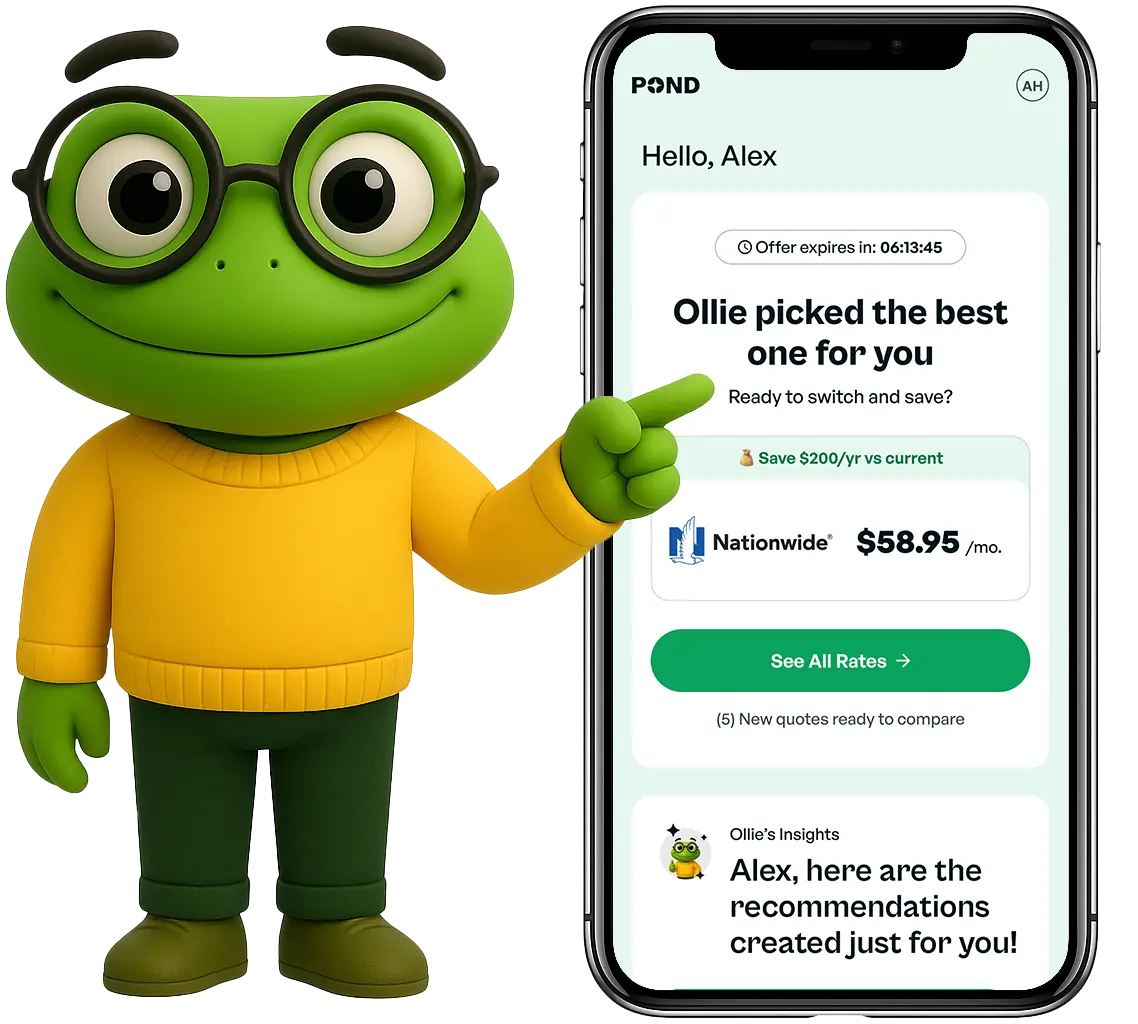
Still have questions? Ollie can explain what this means for your situation - no ZIP, no commitment, just a straight answer.
Related articles

Get Auto Insurance Quotes in Minutes
Enter your ZIP code and answer a few quick questions to compare auto insurance options from providers in your area.