Published
Is renters insurance required by landlords?
Renters insurance is not required by law, but landlords in most states can require it as a condition of your lease. To be enforceable, the requirement should be included in your written lease or a signed lease addendum. If it is not alre...
Compare real rates, understand your coverage, and make confident decisions.

Written by
Ollie

Reviewed by
Scott Nyerges

Fact check by
Brent Buell
Renters insurance is not required by law, but landlords in most states can require it as a condition of your lease. To be enforceable, the requirement should be included in your written lease or a signed lease addendum. If it is not already in your lease, your landlord generally cannot add it mid-lease without your agreement.
Landlords typically require renters insurance because it protects tenants and reduces risk for the property owner. A policy can help cover your belongings, personal liability if you accidentally cause damage or injury, and temporary living expenses if your rental becomes unlivable after a covered event.
This article is intended for general informational purposes and should not be considered legal advice.
**Can a landlord legally require renters insurance?**
Yes, in most states, landlords can legally require renters insurance as a condition of renting a property. Because renters insurance requirements are typically included in the lease agreement, tenants who sign the lease are generally agreeing to maintain coverage throughout their tenancy.
Renters insurance requirements have become increasingly common because they help protect both landlords and tenants from financial risks. While landlords generally have the right to include this requirement in a lease, rules and regulations can vary by location.
If you're unsure about your rights and obligations as a tenant, it may be a good idea to consult a qualified legal professional.
**Why do landlords require renters insurance?**
Landlords often require renters insurance because it can help minimize disputes after accidents, property damage, or liability claims. If a tenant accidentally damages someone else’s property or someone is injured in the rental unit, the tenant's liability coverage may help cover related costs, depending on policy details.
Renters insurance also protects tenants. It can help replace personal belongings after a covered loss and may pay for temporary living expenses if the rental becomes unlivable. It can also help tenants recover financially after an unexpected event and continue meeting their rental obligations.

Ask Ollie
Understand this faster - and find what matters for you
**What happens if you don't have renters insurance as required?**
If your lease requires renters insurance and you fail to obtain or maintain it, you may be violating the terms of your rental agreement. Depending on the lease and local law, this could result in penalties, delays in move-in, or other enforcement actions.
Without renters insurance, you could also be personally responsible for replacing your belongings or paying certain costs related to property damage or liability claims.
Many landlords ask for proof of insurance, such as an insurance declarations page or certificate of insurance showing your active coverage dates and coverage limits. Keeping your policy active and providing updated documentation can help prevent unnecessary issues with your lease.
**How much renters insurance do landlords require?**
The amount of renters insurance a landlord requires depends on the lease agreement and the property's rules. Many landlords specify minimum coverage requirements, particularly for liability protection, so review the insurance section of your lease before purchasing a policy.
When reviewing your lease, pay attention to:
- Whether renters insurance is required or recommended
- Minimum liability coverage requirements (commonly $100,000 or more)
- Any personal property coverage minimums (typically $20,000 to $30,000 or higher)
- Interested party or additional interest requirements, which allow your landlord or property manager to receive policy status notifications
- Proof-of-insurance deadlines, such as before move-in or within a certain number of days after signing
- Renewal requirements, including whether you must provide updated proof when your policy renews
Understanding these details before purchasing a policy can help ensure you meet your landlord's expectations from the start.
**Is renters insurance worth getting even if your landlord doesn't require it?**
Yes, renters insurance is often worth having even when it isn't required by a landlord. It can help protect your personal belongings, provide liability coverage, and assist with temporary living expenses after covered losses, offering valuable financial protection at a relatively affordable cost.
**How to get renters insurance to satisfy a landlord requirement**
Getting renters insurance to meet a landlord's requirements is usually a straightforward process. Start by reviewing your lease for required coverage types, minimum limits, proof-of-insurance deadlines, and any interested party requirements.
Next, compare renters insurance options, choose a policy that meets the lease requirements, and submit proof of coverage before the deadline. If your lease requests it, ask your insurer to add the landlord as an interested party so they receive policy status notifications.
**Frequently asked questions (FAQs)**
Does my landlord need to be listed on my renters insurance policy?
Yes, if your lease requires it. Some landlords ask to be listed as an interested party so they receive notifications if your policy is canceled or changed.
Can I be evicted for not having renters insurance?
Possibly. If renters insurance is required by your lease and you fail to maintain coverage, it may be treated as a lease violation. The consequences depend on your lease and local law, and you may have an opportunity to correct the issue before further action is taken.
What if my landlord requires more coverage than I think I need?
If the requirement is included in your lease, you generally must meet it in order to stay compliant. Review the insurance section carefully before signing to ensure you understand the required coverage limits and documentation.
Does renters insurance protect me or my landlord?
Renters insurance primarily protects you. Depending on your policy, it can cover your belongings, personal liability, and temporary living expenses after a covered loss. Landlords may require it because it can also reduce disputes and clarify who is responsible after certain incidents.
Can my landlord cancel my lease if I don't have renters insurance?
Possibly. If renters insurance is a lease requirement, failing to maintain coverage may lead to lease enforcement actions outlined in your rental agreement, subject to local law.
**Need renters insurance to satisfy your lease? Ollie makes it simple.**
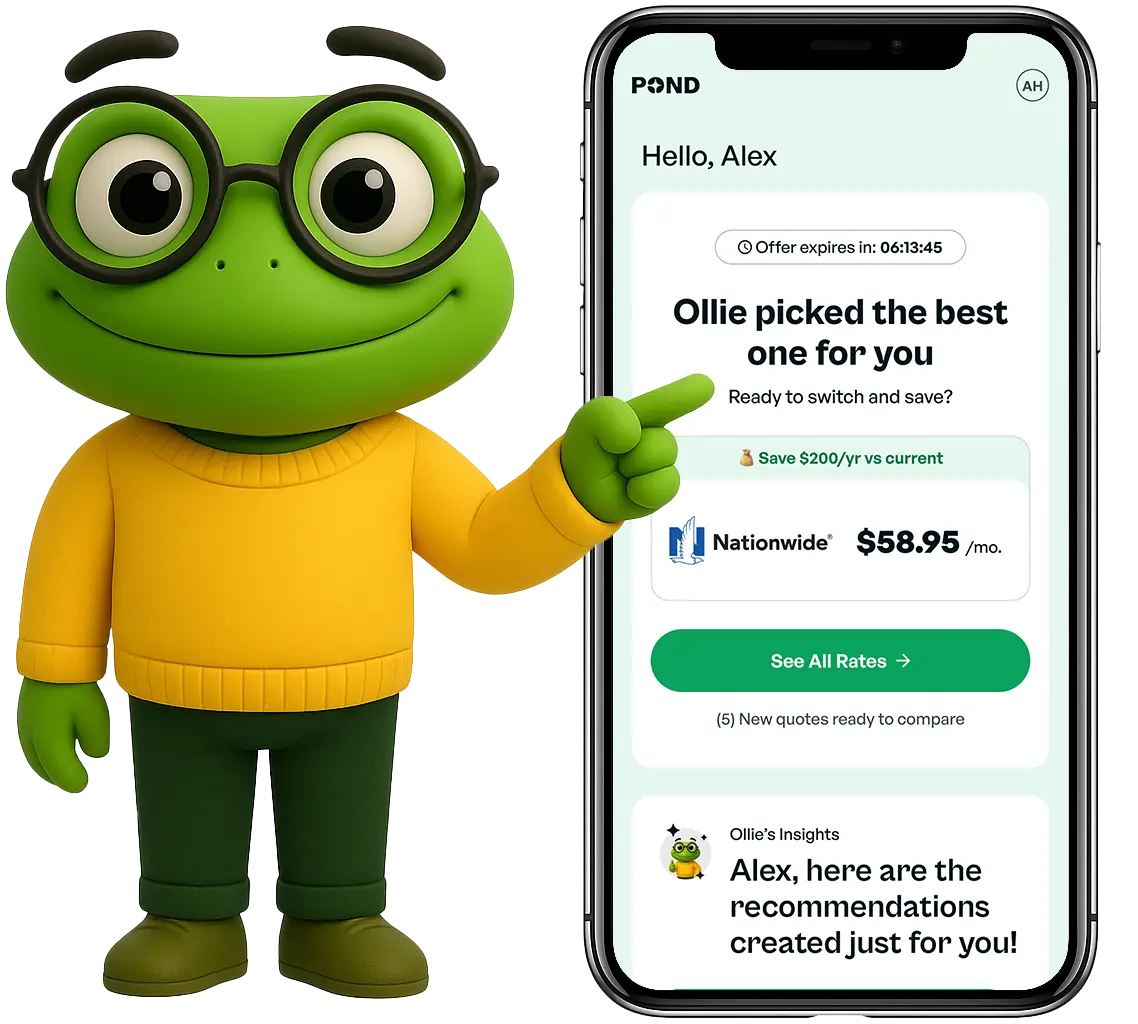
Getting renters insurance doesn't have to be stressful. Whether your landlord requires coverage or you simply want extra peace of mind, Ollie can help you explore your options and get covered quickly—so you can move forward with confidence.
Still have questions
Still have questions? Ollie can explain what this means for your situation - no ZIP, no commitment, just a straight answer.
Related articles


Get Renters Insurance Quotes in Minutes
Enter your ZIP code and answer a few quick questions to compare renters insurance options from providers in your area.