Updated
Liability car insurance: What is it and how does it work
Liability car insurance is one of the most important parts of an auto policy because it helps protect you financially if you’re responsible for an accident. It’s also required in nearly every state, making it a key coverage for most driv...
Compare real rates, understand your coverage, and make confident decisions.

Written by
Ollie

Reviewed by
Scott Nyerges

Fact check by
Brent Buell
Liability car insurance is one of the most important parts of an auto policy because it helps protect you financially if you’re responsible for an accident. It’s also required in nearly every state, making it a key coverage for most drivers.
Here’s what you need to know:
What is liability car insurance?
Liability car insurance helps pay for injuries or property damage you cause to others in an at-fault accident. Depending on the claim, it may cover the other party’s medical bills, lost wages, vehicle repairs, property damage or legal expenses, up to your policy limits.
Types of liability car insurance
Liability car insurance typically consists of two main components: bodily injury liability coverage and property damage liability coverage.
- Bodily injury liability coverage helps pay for medical expenses, lost wages, and legal costs if you injure someone in a car accident. This coverage provides financial assistance to the injured party, helping them recover from their injuries and move forward.
- Property damage liability coverage helps pay for the costs of repairing or replacing someone else’s property if you are at fault in an accident. This includes vehicles, buildings, fences, and any other damaged property resulting from the accident.
The required amount of liability coverage varies by state. Each state sets its own minimum coverage limits that drivers must meet, such as 25/50/25, which means $25,000 for bodily injury per person, $50,000 for bodily injury per accident, and $25,000 for property damage per incident. However, the state minimum is rarely sufficient to cover costs in the event of a major at-fault accident.

Ask Ollie
Understand this faster - and find what matters for you
What does bodily injury liability insurance cover?
This portion of your liability insurance coverage applies to medical expenses and other costs associated with injuries that you cause to others. Coverage extends up to the limits specified in your policy and typically includes the following:
- Medical expenses: This may help pay for the medical costs of individuals injured in the accident, including hospital bills, surgeries, and ongoing treatment.
- Funeral costs: If the accident results in a fatality, BI coverage may help cover funeral and burial expenses.
- Loss of income: In cases where the injured party is unable to work due to the accident, BI coverage may compensate for their loss of income during their recovery period.
- Pain and suffering: It may also provide compensation for the physical pain and emotional suffering caused by the accident.
- Legal defense: BI coverage may help cover the costs of your legal defense, including attorney fees and court expenses.
It’s important to note that bodily injury liability coverage does not cover your own injuries. To get coverage for your personal injuries, additional options like personal injury protection (PIP) or medical payments coverage (MedPay) are available.
What does property damage liability insurance cover?
This portion of your liability insurance may help cover the cost of damage to another person’s property that you cause in an accident. While property damage usually refers to another vehicle, it can also include structures like houses and fences.
Property damage liability may also help cover legal expenses if someone sues you over property damage from the accident. However, it does not pay to repair or replace your own vehicle; for that, you would typically need collision coverage.
Factors affecting liability car insurance rates
When it comes to determining the cost of liability car insurance, several factors come into play. Insurance providers consider various aspects that can impact the likelihood of accidents and claims. By understanding these factors, you can gain insights into why your rates may vary from others and make informed decisions to potentially lower your premiums.
Driving record
Your driving record plays a significant role in determining your liability car insurance rates. Traffic violations and accidents can increase your rates, as they indicate a higher risk of future accidents. On the other hand, maintaining a clean driving record can help you qualify for lower premiums. Additionally, completing defensive driving courses can have a positive impact on your rates, as it demonstrates your commitment to safe driving practices.
Vehicle type and usage
The type of vehicle you drive and how you use it can also affect your liability car insurance rates. Generally, more expensive or powerful vehicles may come with higher insurance costs due to their higher repair or replacement costs. Moreover, if you use your vehicle for commercial purposes, such as delivery or ridesharing services, your insurance needs may be different from those of personal use. It’s important to inform your insurance provider about the nature of your vehicle usage to ensure you have appropriate coverage.
Location
Where you live and drive can impact your liability car insurance rates. Urban areas typically have higher rates due to increased traffic congestion and higher accident risks. Conversely, rural areas may have lower rates because of fewer accidents. Moreover, climate and weather-related factors, such as severe winters or hurricane-prone regions, may also influence rates. Understanding how location and geographical factors can affect your rates can help you make informed decisions when selecting coverage.
Coverage limit
Coverage limits determine the maximum amount your insurance company will pay in the event of an accident. Generally speaking, the higher your coverage limits, the more expensive your premium will be. It’s crucial to select appropriate limits that adequately protect you without burdening you with excessive costs.
Optional Coverages
Liability insurance only applies to injuries or property damage you cause to someone else. It will not cover damage to your own vehicle or injuries you or your passengers sustain in an accident. For that reason, it’s a good idea to consider the following optional coverages:
Collision insurance
This is designed to cover the cost of repairing or replacing your vehicle if it’s damaged in a collision with another vehicle or an object, such as a tree or guardrail. It applies regardless of who is at fault.
Comprehensive insurance
Comprehensive coverage helps pay to repair or replace your vehicle if it’s damaged in a non-collision incident, such as theft, vandalism, fire, hail, flooding, or an animal encounter.
Uninsured/underinsured motorist coverage
Uninsured/underinsured motorist coverage steps in when you’re involved in an accident with a driver who lacks insurance or has inadequate coverage. Depending on your state and policy, it may cover your medical expenses and property damage if the at-fault driver’s coverage cannot.
Personal injury protection (PIP)
Personal injury protection insurance, sometimes known as “no-fault” insurance, is required in some states and optional in others. It covers medical expenses, lost wages, and other related costs for you and your passengers, regardless of who caused the accident.
Medical payments (MedPay) coverage
This helps pay for accident-related medical expenses for you and your passengers, regardless of who was at fault. It may cover costs such as ambulance rides, hospital bills, and doctor visits, depending on your policy. Coverage limits are usually lower than PIP limits, however, and more limited in scope.
In a nutshell
Liability car insurance is an absolute necessity for responsible drivers. It provides financial protection and legal compliance, allowing you to drive with peace of mind. It’s a good idea to speak with a licensed agent, broker, or insurance company representative when purchasing liability insurance to get coverage that fits your needs.
Car Insurance Cost Calculator
Find out how much you'll pay for auto insurance coverage.

Rate estimates in this calculator are based on CarInsurance.com's analysis of full coverage insurance for a single driver with good credit, homeowner status and a clean driving record, operating a financed Honda Accord LX. Full coverage includes 100/300/100 BI/PD liability limits and $500 comprehensive and collision deductibles.
Still have questions
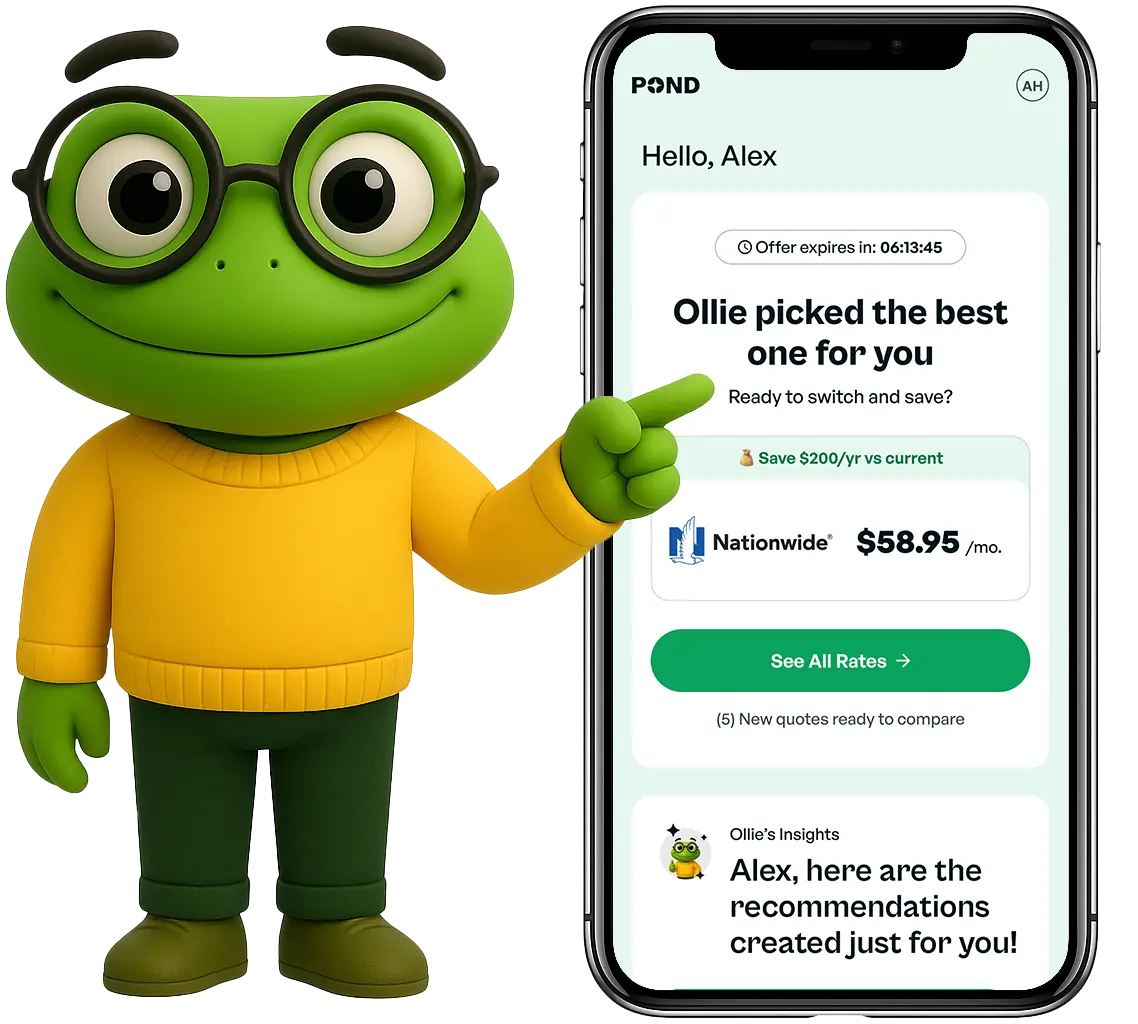
Still have questions? Ollie can explain what this means for your situation - no ZIP, no commitment, just a straight answer.
Related articles

Get Auto Insurance Quotes in Minutes
Enter your ZIP code and answer a few quick questions to compare auto insurance options from providers in your area.